
DMT Procurement Guide: How to Choose Solid Flake, Briquette and Liquid Dimethyl Terephthalate
Compare DMT solid flake, briquette and liquid forms across packaging, transport, feeding, storage and downstream applications to support procurement decisions for PBT, PET and PETG customers.
TL;DR
- Compare DMT solid flake, briquette and liquid forms across packaging, transport, feeding, storage and downstream applications to support procurement decisions for PBT, PET and PETG customers.
- Keywords: DMT procurement · Dimethyl Terephthalate procurement · Dimethyl Terephthalate solid flake · DMT Briquette FOB Busan South Korea · liquid Dimethyl Terephthalate
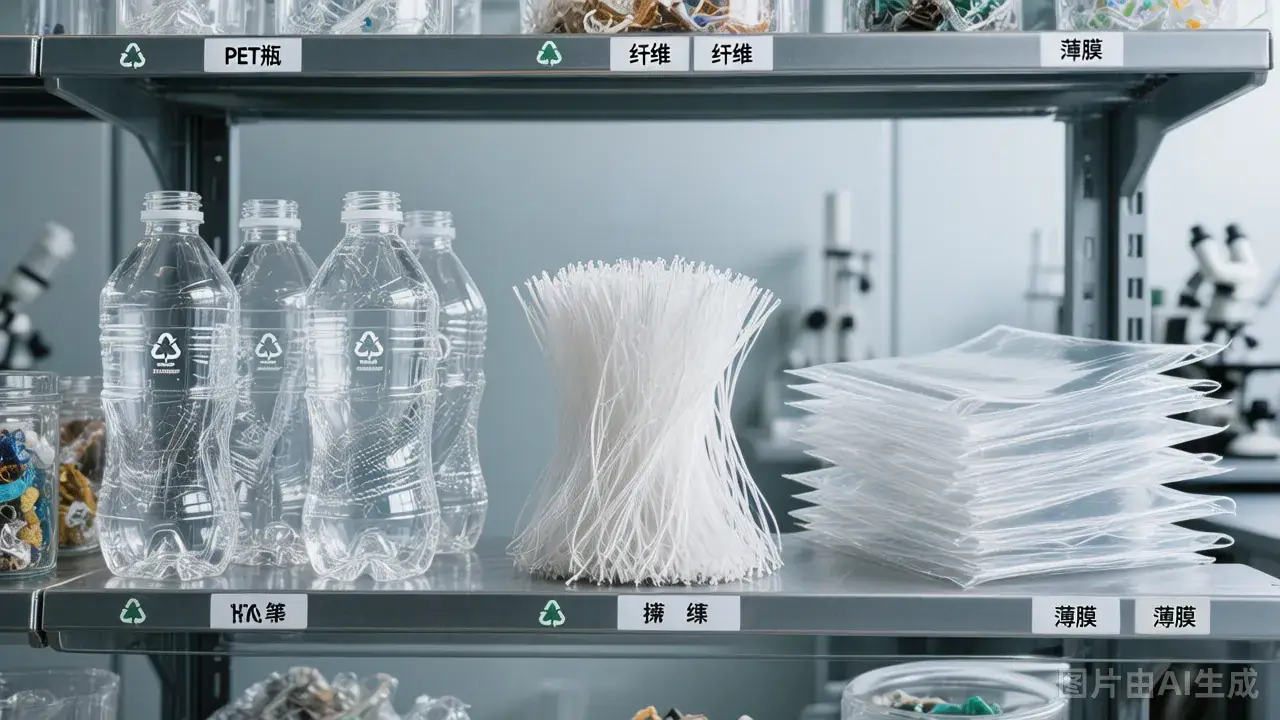
Waste PET is the primary target feedstock for chemical recycling, but not all waste PET has equal recycling value. Understanding the characteristics of waste materials from different sources is key to optimizing chemical recycling processes and improving economics.
Post-Consumer Bottle PET (PCB) This is currently the most mature feedstock source for chemical recycling. Beverage bottle PET has high purity (usually >90%), relatively uniform color (colorless, light blue, light green), and few impurities. PCB recovery rates in regions with sound collection systems (such as Europe and Japan) exceed 80%. Main challenges include separation of labels (PE/OPP/PVC material) and bottle caps (PP/HDPE material), as well as organic contamination from residual beverages.
Post-Industrial Waste (PIW) Edge trim, waste yarn, and substandard film rolls from PET film and polyester fiber production are the highest quality feedstock for chemical recycling. PIW typically has no consumer contact, extremely few impurities, pure color, and can be directly used for methanolysis, producing R-DMT with very high purity. ResourceCycle has established stable waste material supply partnerships with multiple textile and film companies, with PIW accounting for about 30% of the raw material structure.
Textile Waste Waste polyester clothing and carpets have great potential but the highest pre-treatment challenges. Textiles typically contain elastic fibers (such as spandex), cotton fibers, dyes, and various auxiliaries, which are difficult to separate. ResourceCycle is currently cooperating with universities to develop specialized textile waste pre-treatment technology, expected to achieve small-batch testing in 2025.
Multi-Layer Composite Packaging Waste The PET component in food flexible packaging (such as PET/PE/aluminum foil composite film) has low content and is tightly bonded with other materials, making chemical recycling processing difficult. It is generally not used as a primary feedstock.
Raw Material Procurement Strategy Recommendations From an economics and process stability perspective, it is recommended to prioritize PIW and high-quality PCB (colorless transparent bottles) as primary feedstock. The recommended blending ratio of PIW:PCB = 3:7 to 5:5 to balance cost and quality.
Related articles
- 01industryNovember 12, 2025
DMT Procurement Guide: How to Choose Solid Flake, Briquette and Liquid Dimethyl Terephthalate
Compare DMT solid flake, briquette and liquid forms across packaging, transport, feeding, storage and downstream applications to support procurement decisions for PBT, PET and PETG customers.
Read more 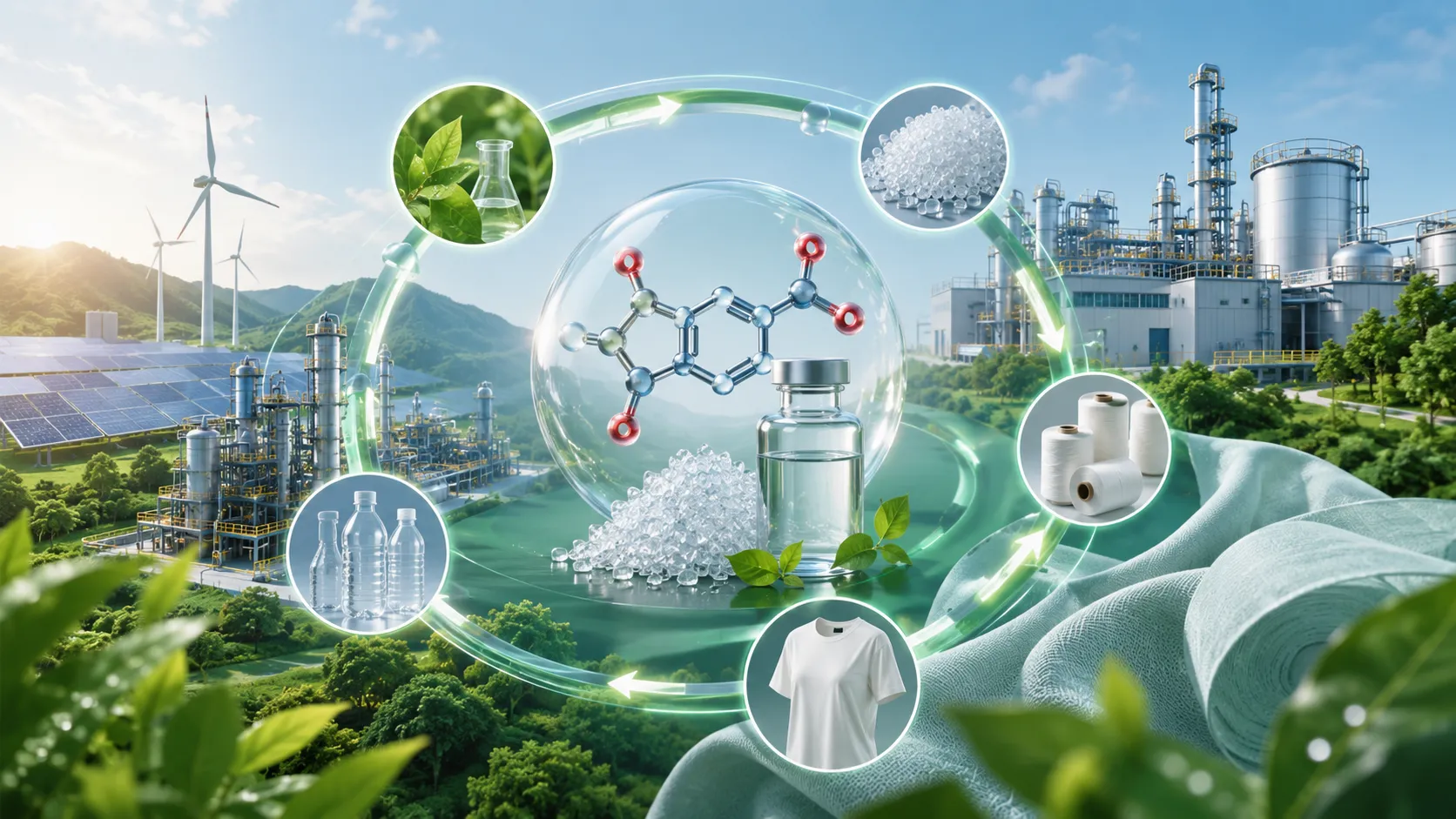 02industryMarch 5, 2025
Low-Carbon DMT Opportunities Under Carbon Neutrality Goals: How Dimethyl Terephthalate Supply Chains Support Green Polyester Materials
Under carbon neutrality and circular economy policies, low-carbon DMT, polyester-grade Dimethyl Terephthalate and transparent supply chains are becoming more important for PBT, PET and PETG customers.
Read more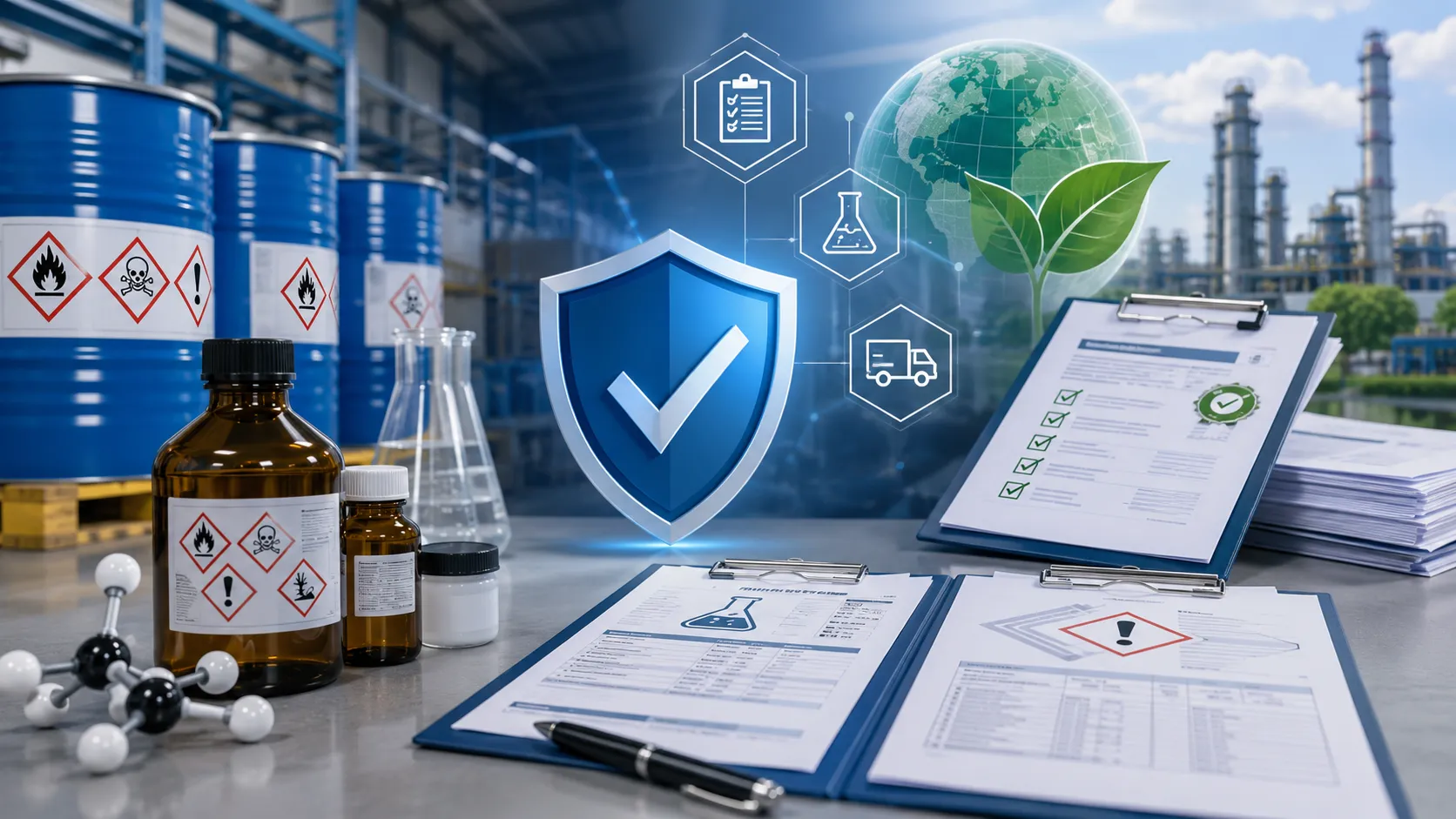 03industryAugust 22, 2025
DMT Supplier Compliance Review Guide: Hazardous Chemical Management, ISO 14001 and COA/MSDS Documents
DMT procurement should review not only price and purity, but also supplier compliance, hazardous chemical management, ISO 14001, COA/MSDS documents and batch traceability.
Read more